


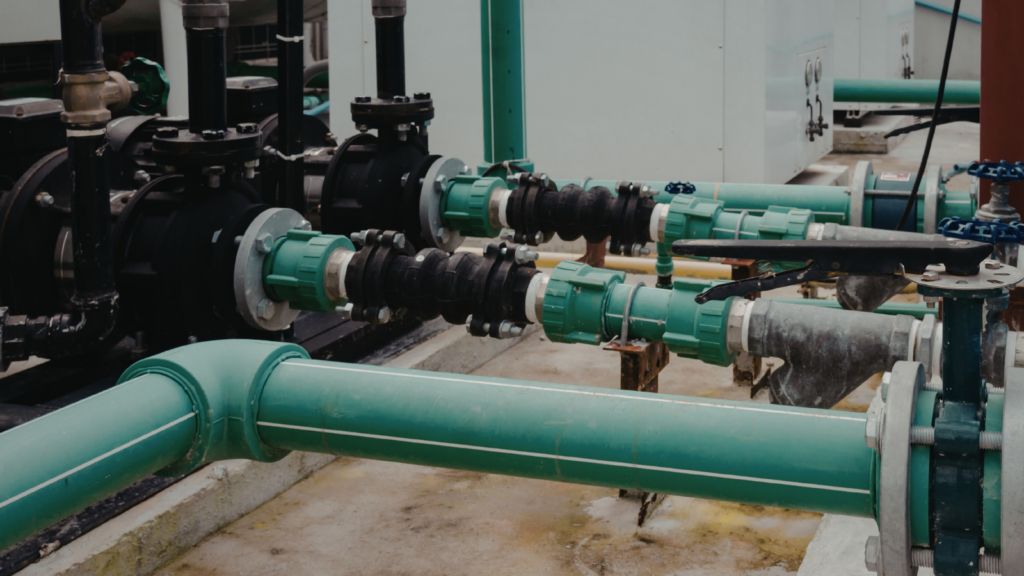
Selecting the correct valve can make the difference between optimal performance and premature failure in industrial systems. Whether you’re working in manufacturing, water treatment, or petrochemical environments, choosing industrial valves properly ensures safety, efficiency and longevity.
Valves are essential components wherever fluid control is involved – regulating flow, isolating equipment, modulating pressure, and preventing backflow. But with so many types available, matching your application to the right design and materials is key.
Understand Your Operating Conditions
Before selecting any valve, define the following:
- Operating Pressure and Temperature: High-pressure steam needs very different valves than low-pressure fluid systems.
- Type of Media: Water, oil, gas, chemicals and slurries all impose unique demands. Corrosive or abrasive media require materials such as stainless steel or specialist alloys.
- Flow Requirements: Is the valve for isolation, throttling, on/off control or safety relief?
These parameters guide material choice, valve type and actuation method.
Match Valve Types to Functions
Some common options include:
- Gate Valves: Ideal for isolation, offering low resistance in fully open positions.
- Globe Valves: Suitable when precise flow regulation is needed.
- Ball Valves: Durable and fast-acting for on/off control.
- Check Valves: Prevent backflow and protect pumps and compressors.
- Butterfly Valves: Good for large-diameter piping with lower pressure requirements.
Choosing the right type depends on how your system needs to operate.
Material Selection Matters
Valve bodies and seals must suit your fluid and environment. In marine or coastal applications, corrosion resistance is critical. In high-temperature steam or chemical service, specialist alloys and packing materials ensure reliability.
Installation and System Compatibility
Even the best industrial valve won’t perform if installed incorrectly. Always:
- verify correct orientation
- check piping alignment
- ensure actuation compatibility (manual, pneumatic, electric)
- confirm pressure ratings match the system
For broader system health – including pipes, drains and water delivery – consider general plumbing best practices. For example, knowing how pressure imbalances or backflow can affect fittings and operational reliability is useful; industry guides such as plumbing tips and maintenance insights offer practical context that complements valve selection and system troubleshooting.
Contact Us
If you need expert help choosing an industrial valve or specifying components for your application, contact us today. Our engineers can guide you through selection, supply and installation planning to ensure peak performance.